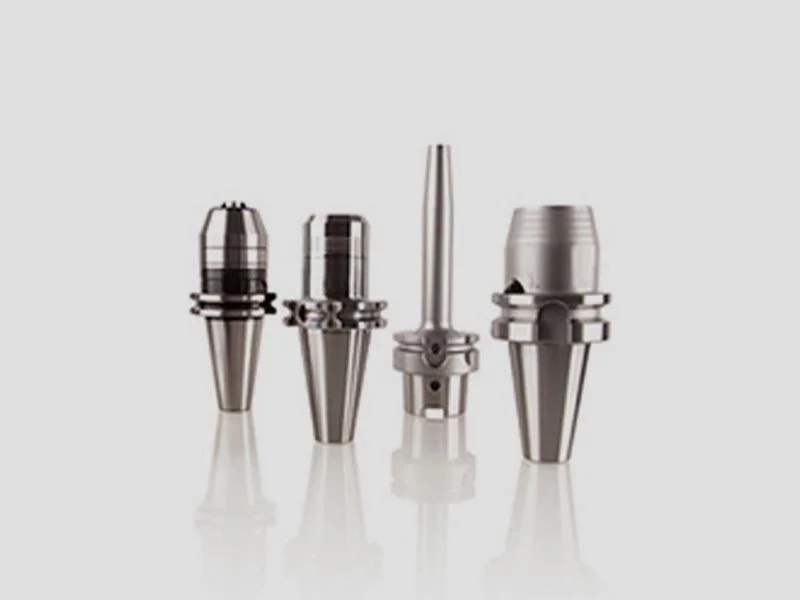
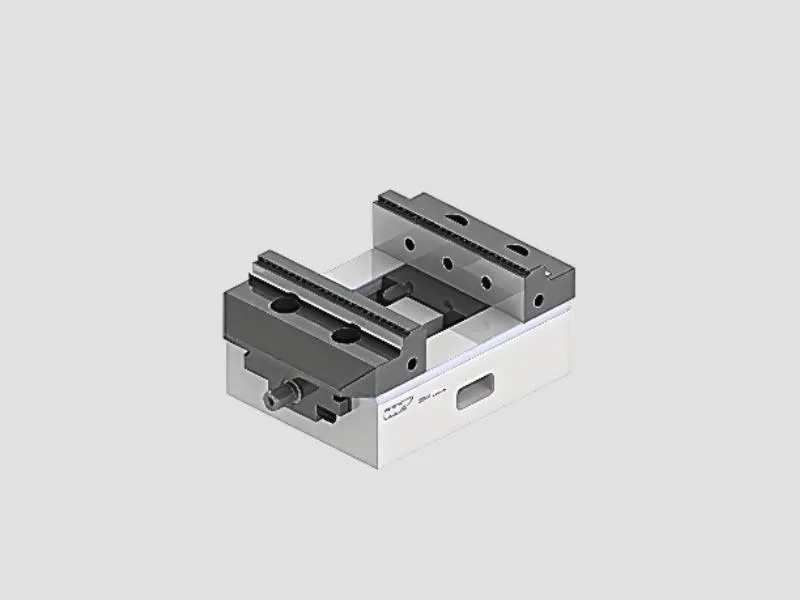
Clamping systems can be categorized into various types, including mechanical vices, pneumatic clamps, magnetic fixtures, and hydraulic chucks. The choice of clamping device depends on several factors, including the material of the workpiece, the forces applied during machining, and the type of machining operation. Mechanical vices are commonly used for their simplicity and versatility, while more specialized systems, like hydraulic or pneumatic clamps, offer high clamping forces with minimal operator intervention. Magnetic clamps are often used for non-ferrous materials or for high-precision applications, while hydraulic chucks provide a strong and evenly distributed clamping force for heavy-duty machining.
Cash,Cheque,Demand Draft,UPI, NEFT
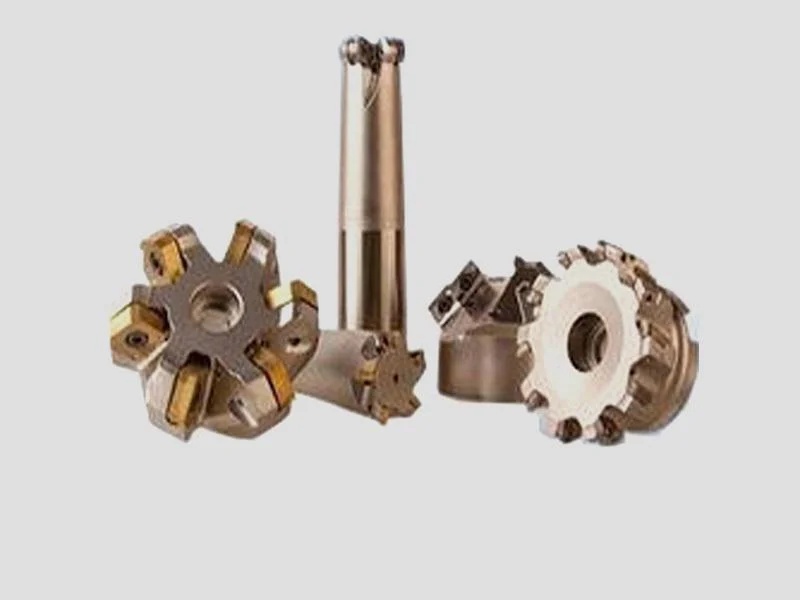
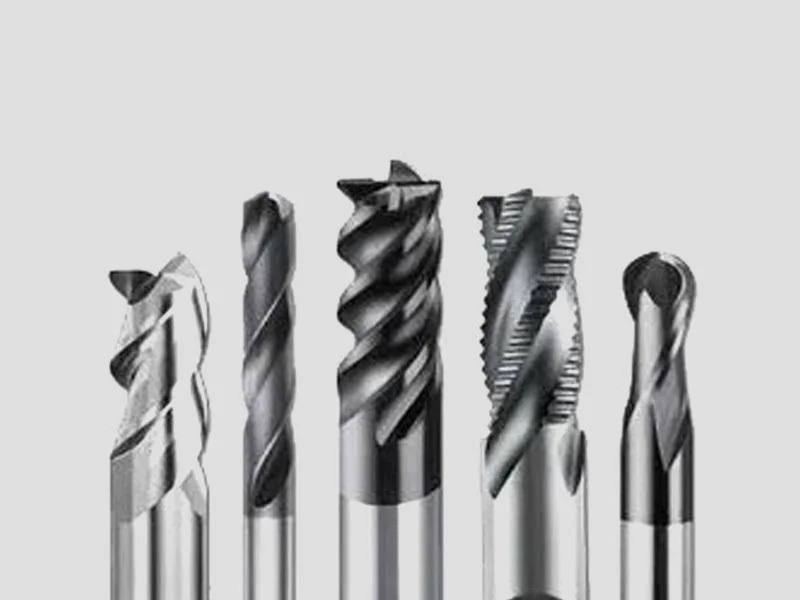
End mill cutters are a fundamental tool used in milling machines, enabling the shaping and finishing of materials such as metals, plastics, and composites. The versatility of end mills allows for a wide range of milling operations, such as face milling, slot milling, and profile cutting. Unlike drill bits, which only cut on the tip, end mill cutters have cutting edges on the side as well, providing lateral cutting action. This ability makes them suitable for more complex operations, including those that require precise and smooth surface finishes. The most common material for end mill cutters is high-speed steel (HSS), though carbide is often preferred in high-performance applications due to its superior hardness and resistance to wear and heat.
Cash,Cheque,Demand Draft,UPI, NEFT
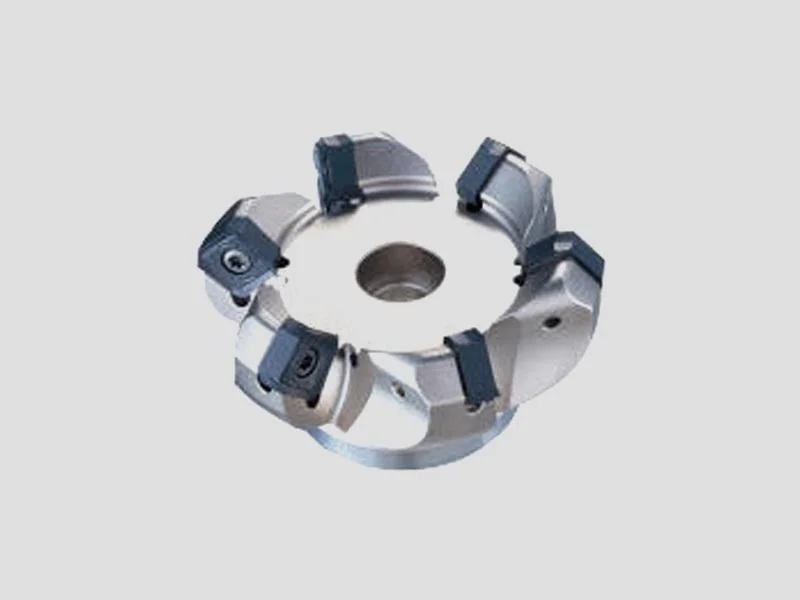
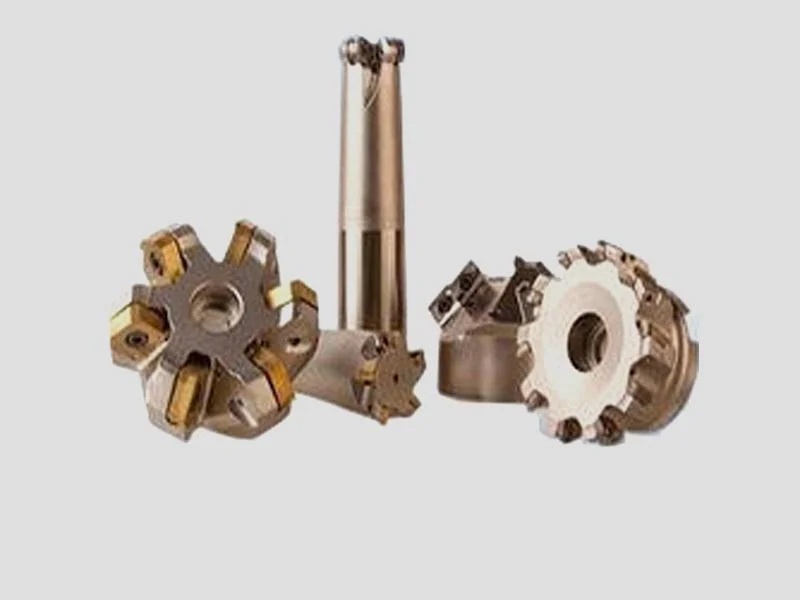
Discover the Indexable Milling Tool for Heavy Duty Metal Processing designed for demanding industrial machining operations. This tool is widely used in CNC machining centers, fabrication units, and engineering workshops for efficient and precise material removal. The replaceable insert design helps reduce downtime and lowers overall tooling costs. It is suitable for machining steel, cast iron, and various alloy metals while maintaining consistent accuracy. The tool delivers stable cutting performance even under high load and continuous operation conditions. Multiple sizes and insert options are available to suit different machining needs. Customization can be provided based on specific applications and production volumes. All products are sourced from verified manufacturers and reliable suppliers. Quality standards are maintained to ensure long service life and dependable performance. Competitive pricing and bulk order support make it ideal for industrial buyers.
Cash,Cheque,Demand Draft,UPI, NEFT
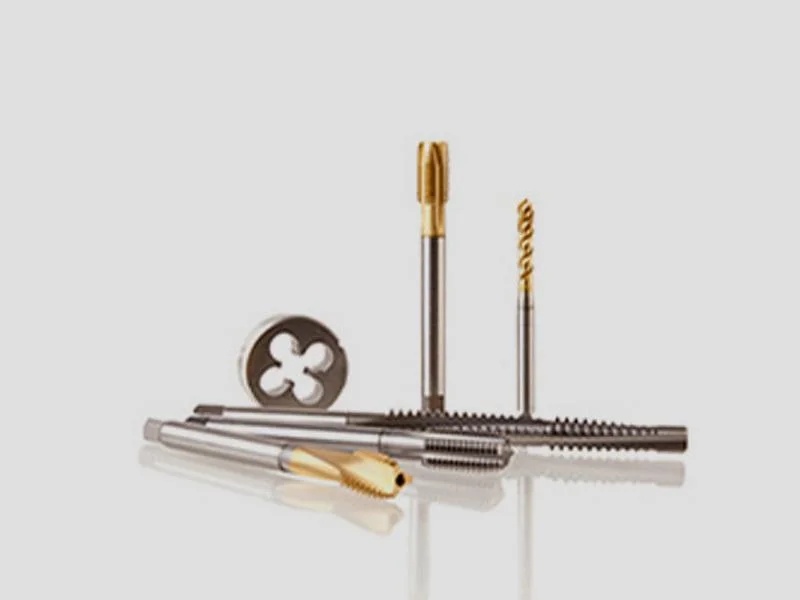
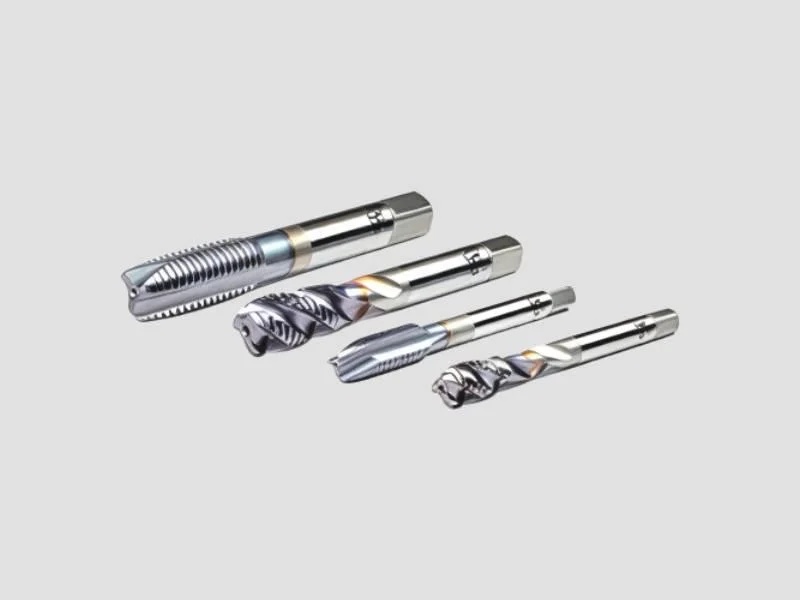
High-efficiency taps are also optimized for high cutting speeds, which reduce cycle times and increase overall productivity. Additionally, these taps offer superior wear resistance, providing a longer tool life and fewer tool changes, resulting in reduced downtime and cost savings. They are compatible with a range of cutting fluids, ensuring smooth operations and better surface finishes. The tapping capacity varies depending on the specific tool, but these taps are typically capable of handling both standard and large-diameter threads with consistent results. Their enhanced cutting performance makes them ideal for industries where precision and productivity are critical.
Cash,Cheque,Demand Draft,UPI, NEFT
The diameter of the face mill determines the width of the cut, and larger diameters are typically used for more significant, heavy-duty operations. Inserts come in various materials such as carbide, offering durability and heat resistance for extended tool life. The number of inserts influences the cutting stability and surface finish, as well as the feed rate and cutting speed. Face mills can be customized with different numbers of flutes to control chip removal and surface quality. Tool length and the type of coolant used can also impact the performance. Longer tools may lead to tool deflection, while the proper coolant ensures efficient heat management and chip evacuation. Face mills are widely used in industries like aerospace, automotive, and manufacturing for their ability to produce precise and smooth finishes.
Cash,Cheque,Demand Draft,UPI, NEFT
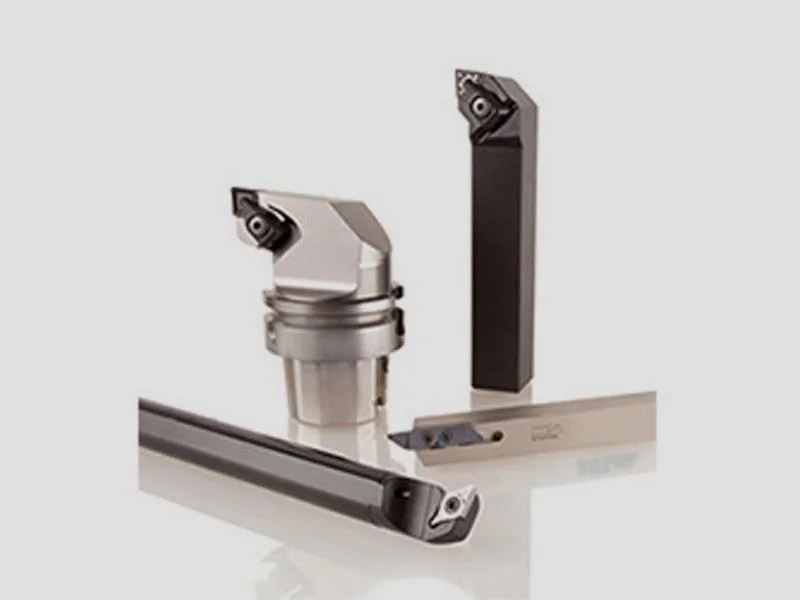
Threading tools also differ in the type of thread they can create—such as unified threads, metric threads, or tapered threads—making them versatile for various applications. The cutting edge design, tool life, and cooling methods all influence the tool’s performance, reducing the risk of overheating and ensuring precision during the cutting process. In terms of compatibility, threading tools must be chosen based on their compatibility with the tool holder and machine setup. Proper selection ensures optimum cutting parameters, such as speed and feed rate, to achieve the best results in terms of surface finish and thread accuracy.
Cash,Cheque,Demand Draft,UPI, NEFT