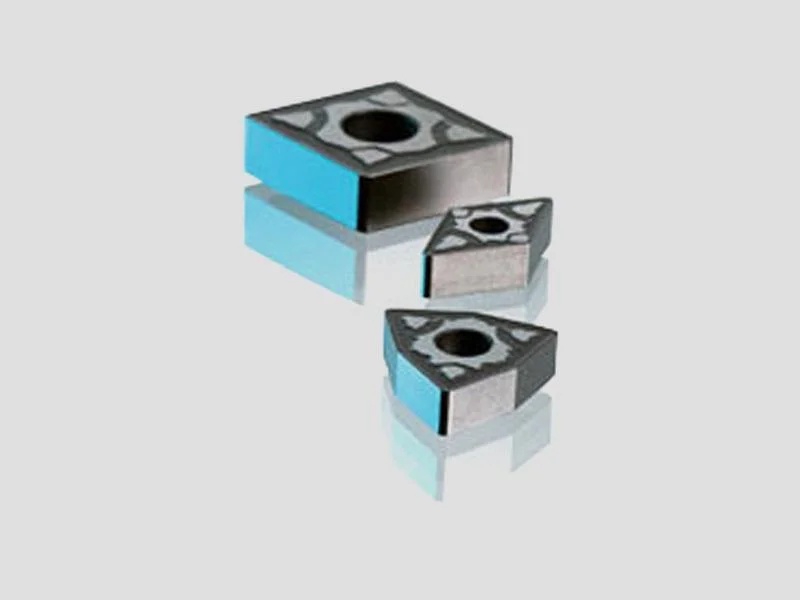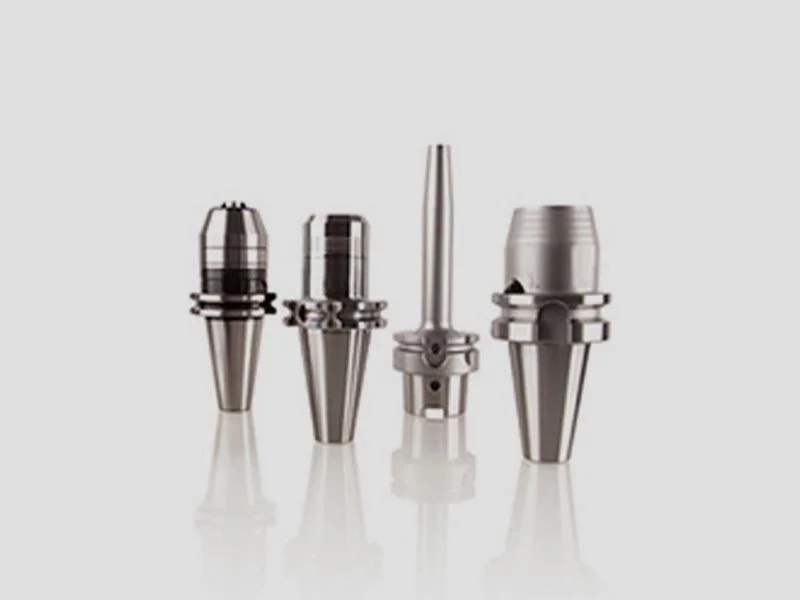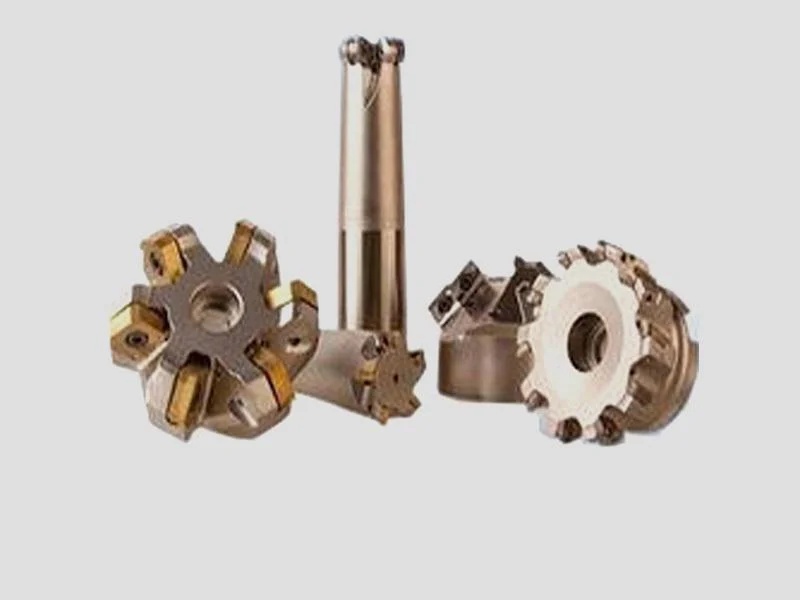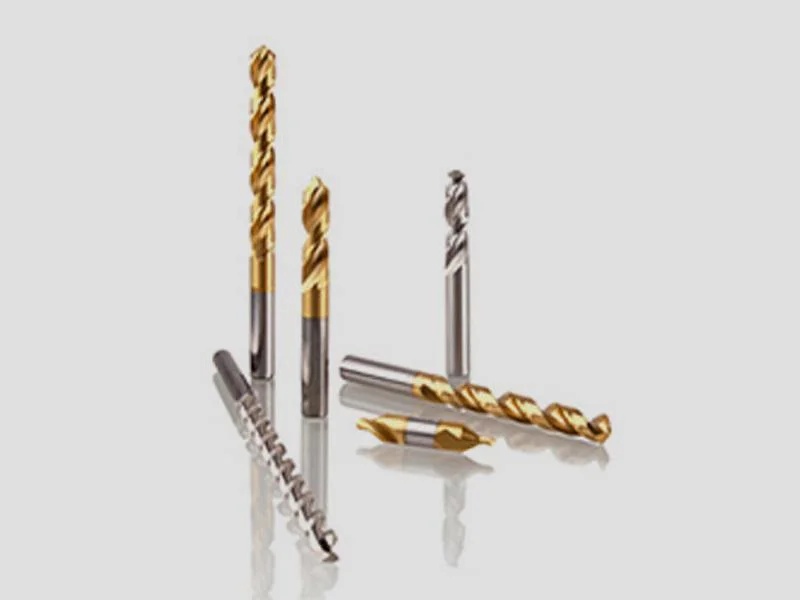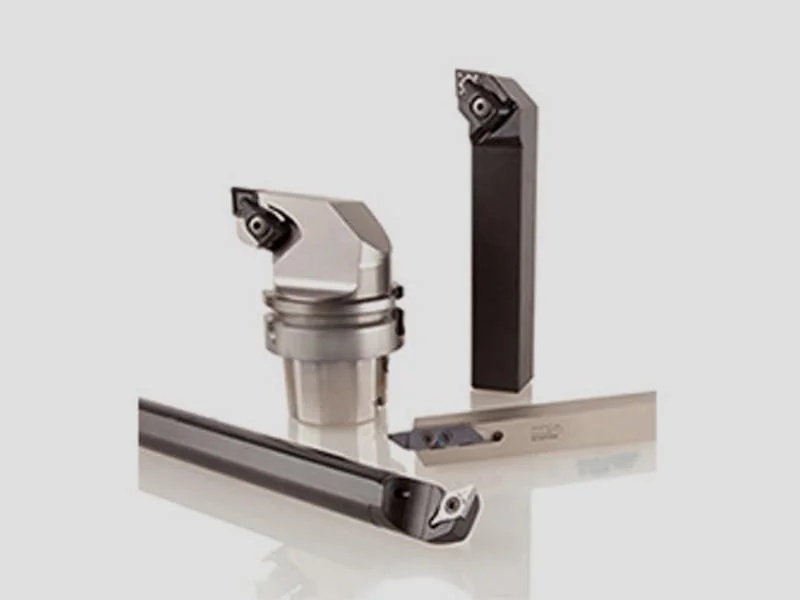
Modern turning tools typically consist of a tool holder and a replaceable insert. The insert is manufactured from advanced materials such as carbide, ceramic, cubic boron nitride, or polycrystalline diamond to withstand high cutting temperatures and forces. Tool geometry, including rake angle, clearance angle, and nose radius, plays a crucial role in controlling chip formation, surface finish, and tool life. Coatings applied to turning inserts reduce friction, improve wear resistance, and enhance thermal stability, allowing higher cutting speeds and longer tool life. Turning tools are designed for specific machining objectives, such as roughing tools for high material removal rates and finishing tools for superior surface quality.
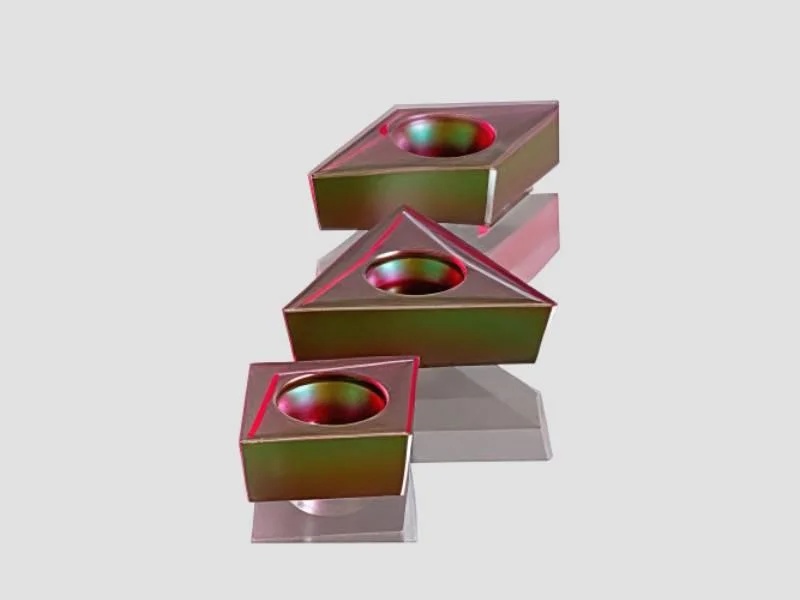
Turning inserts are manufactured in standardized shapes such as triangular, square, rhombic, and round, each selected based on cutting stability and accessibility. The geometry of the insert, including rake angle and chipbreaker design, plays a critical role in controlling chip flow, reducing cutting forces, and improving surface finish. Inserts are engineered to withstand high temperatures and cutting stresses generated during continuous or interrupted turning operations. Modern turning inserts are typically produced from carbide substrates and enhanced with advanced coatings to increase tool life and machining speed. Different insert grades are optimized for specific workpiece materials, ranging from steels and cast irons to stainless steels and non-ferrous alloys.
Cash,Cheque,Demand Draft,UPI, NEFT
Key Attributes
Industry-specific Attributes
Insert materialTungsten carbide
Insert typeIndexable turning insert
StandardISO standard insert
ShapeSquare, triangular, rhombic, round
Other Attributes
Insert size06, 09, 12, 16
Thickness2.38 mm, 3.18 mm, 4.76 mm
Nose radius0.2 mm, 0.4 mm, 0.8 mm, 1.2 mm
Relief angle0°, 5°, 7°, 11°
Chip groove turning is a specialized turning process that focuses on efficient chip control through engineered insert groove geometries. During turning, improper chip formation can lead to surface damage, tool breakage, machine stoppage, and safety risks. Chip groove turning tools address these challenges by incorporating precisely designed chip breakers that curl and fragment chips into manageable lengths. The groove geometry influences chip flow direction, chip thickness, and breakage behavior. Shallow grooves are typically used for finishing operations where low feed rates and smooth surfaces are required, while deeper grooves are suitable for roughing operations with higher material removal rates. These tools help reduce cutting forces, stabilize the machining process, and extend tool life by minimizing heat concentration at the cutting edge.
Cash,Cheque,Demand Draft,UPI, NEFT
Key Attributes
Industry-specific Attributes
Insert GeometryDesigned for specific chip control, with varying shapes such as square, round, or diamond to optimize cutting conditions.
Chip Breaker DesignFeatures specialized grooves or notches that help in chip curling and breaking, with different designs suited for roughing or finishing.
Cutting Edge PreparationIncludes polished or honed edges to improve cutting sharpness and surface finish, reducing friction during material removal.
Coating TypeCommon coatings include TiN (Titanium Nitride), TiAlN (Titanium Aluminum Nitride), or CVD (Chemical Vapor Deposition) coatings that enhance wear resistance and heat resistance.
Other Attributes
Toolholder CompatibilityCompatible with standard turning toolholders like ISO or ANSI style holders, ensuring secure and stable tool mounting.
Cutting DirectionTools are designed for both left-hand and right-hand cutting, suitable for various machining operations such as turning and facing.
Coolant DeliveryEquipped with through-tool coolant channels to direct coolant directly to the cutting edge, improving cooling and extending tool life.
Edge StrengthInserts are designed with a robust cutting edge that provides high resistance to chipping and wear under heavy cutting conditions.